Is your cosmetic product natural or organic?

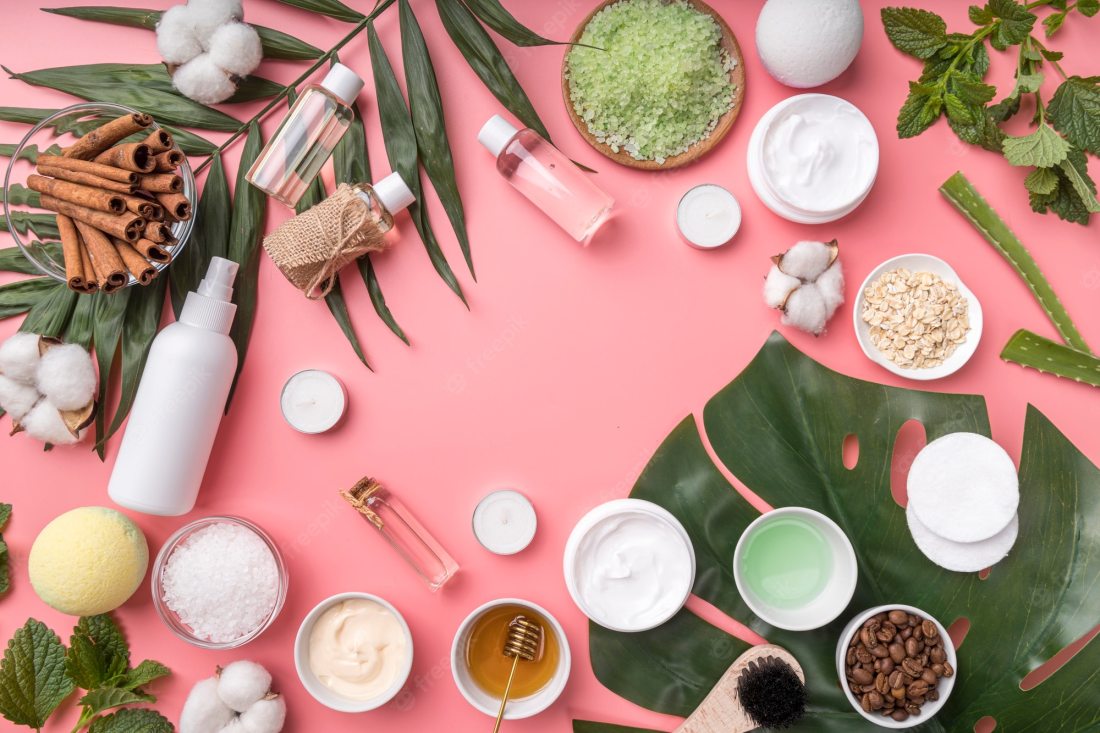
The new trend these days is everyone wants to have clear and glowing skin. We are all looking for ways to achieve that without the use of harsh ingredients in our cosmetics. What some of us don’t know is that there is a difference between natural and organic cosmetics. Do you know the difference?

Differences between Organic and Natural cosmetics.

A ‘natural’ product can be defined as something that is derived from plant, mineral or animal by-product. The term ‘organic’ refers to how an ingredient is farmed i.e., it must be prepared and grown without pesticides, chemical fertilizers, GMOs, sulphates/parabens or antibiotics. However, just because the product is labelled ‘organic’ doesn’t mean it is 100% organic.

There can be substantial differences between natural and organic cosmetic products. The first difference is in the definitions. While the word organic has a specific denotation, the word natural does not. The next differences to note are the ingredients and restrictions. Organic cosmetics need to follow strict guidelines, whereas natural products do not. Finally, the manufacturing processes may differ. Private label manufacturers for organic cosmetics generally provide more oversight and prioritize using healthy, organic ingredients during formulation. https://www.anthemusb.com/what-is-the-difference-between-natural-and-organic-cosmetics/

Facts about Natural and Organic cosmetics:

  • Natural skincare products have natural ingredients
  • Organic skincare products have stricter standards
  • ‘Natural’ can be just a marketing trick
  • Natural skincare products don’t adhere to the same guidelines as organic products
  • Terms ‘vegan’ and ‘cruelty-free’ are not synonymous to ‘natural’ or ‘organic’
  • Prices of organic skincare products will be higher https://barealchemy.com/blogs/news/difference-between-natural-and-organic-skincare-products

Which one do you prefer?

What do you do with your banana peels?

Banana peel

I’ve always been a curious person and an environmentalist. Today’s topic came from simply throwing away trash and I found my banana peels. I remembered my grandmother used them in her compost manure but I’m in town and I don’t have a garden so are there other ways of using this biodegradable material?

Banana peel is the outer shell of the banana fruit. It is used as animal food. The mineral composition of banana peel is phosphorus, iron, calcium, magnesium, and sodium. You would be surprised to know that banana peels are also replete with polyphenols, carotenoids, and other antioxidants that can help remove the toxic free radicals from your skin and body. https://www.stylecraze.com/articles/amazing-benefits-of-banana-peels/

Uses of banana peels:

  • Skin care
  • Hair health
  • First aid
  • Cleaning
  • Gardening

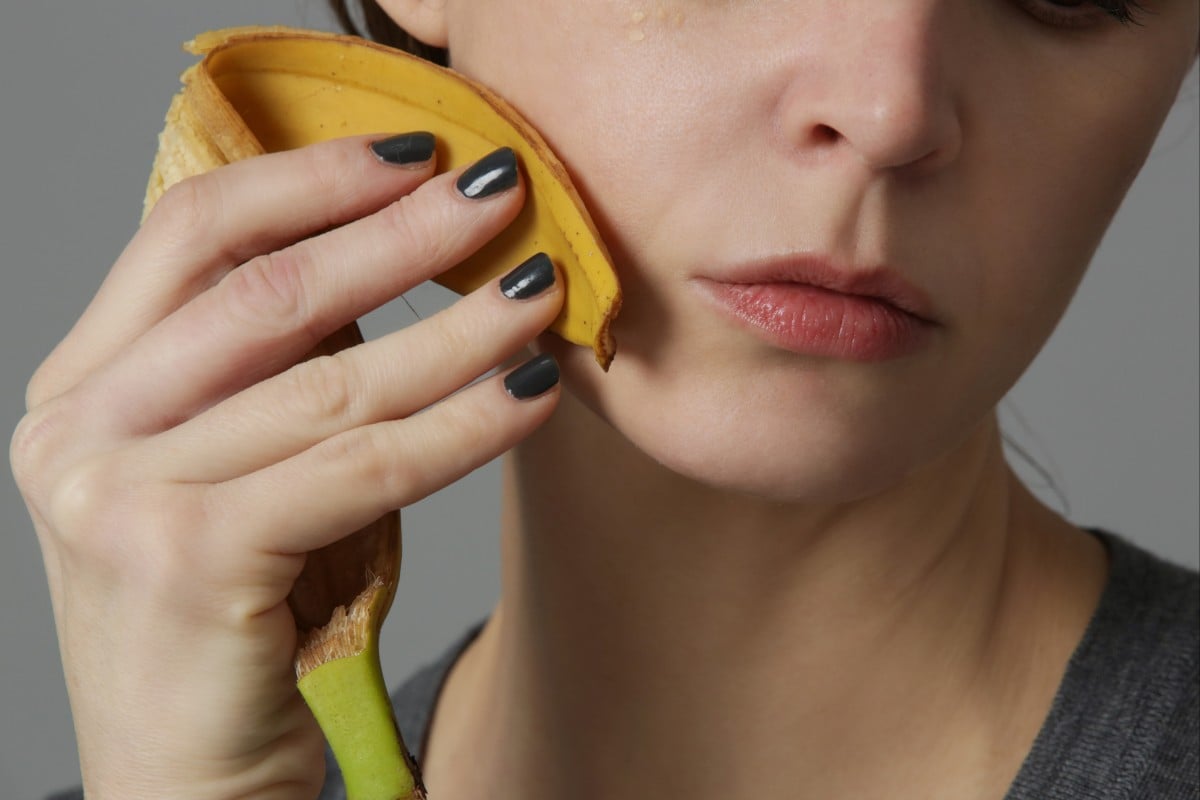
Skin care: Potential benefits include hydration, gentle exfoliation, antioxidant effects and wrinkle reduction. Rubbing a banana peel on your face can brighten skin and reduce wrinkles. On closed eyes it reduces puffiness and can be used as a moisturiser to hydrate skin. Rubbing the peel on acne scars helps them fade. It treats psoriasis and relieves itch. All these are suggested by advocates of banana peels for skin but there is no clinical research.

For Hair health: The antioxidant in banana peels neutralises free radical that keeps your hair strong and healthy. It also makes your hair soft and shinier. Proponents of natural products for health and cosmetics suggest using banana peel as an ingredient in a hair mask. I tried this at one time during lockdown in 2020 on my 4C hair. I might say there was a bit of change to my hair lustre.

First Aid: Banana peel has such properties which can give you some medicinal benefits. You can use it for sunburn or for treating a rash or a bug bite. Simply rub the inner side of the banana peel against your skin. https://doctor.ndtv.com/living-healthy/do-not-throw-away-banana-peel-some-unusual-ways-to-use-banana-peels-for-skin-teeth-and-many-more-2105729

Cleaning: Rub the inside of a banana peel on anything made of leather to spruce it up. The potassium in bananas will be absorbed into the leather and will help diminish any scuff marks. Then wipe away any remaining residue and buff with a microfiber cloth for a glossy, looking-like-new sheen. You can also blend a few banana peels to create a paste and use this to scrub your precious pieces using a soft cloth. Rinse your silverware by dipping it in a basin filled with water. Dry afterwards using a clean cloth.

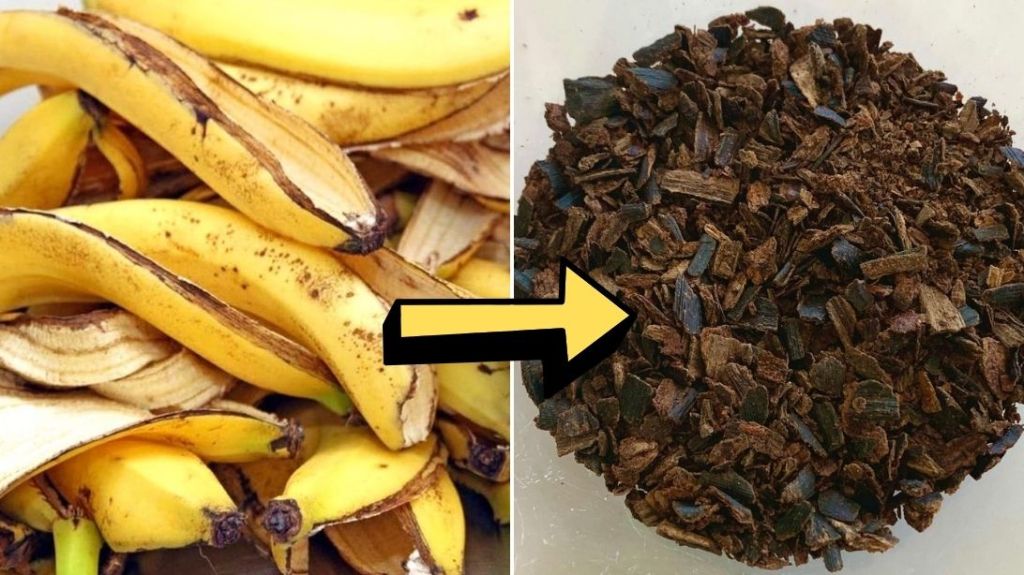
In Gardening, we can add them to soil as worm food or mix them with water to make plant fertilizer. We can also compost them to manure.

There are other people who believe that banana peels can whiten teeth. Now the validity of this trend is purely based on anecdotal evidence. But when it comes to removing stains from teeth, there aren’t any scientific studies that are tagging or liking banana peels for the job.

Some people also eat banana peels. Recommendations include:

  1. boiling banana peels in water to make a tea
  2. using banana peels as an ingredient in chutney
  3. blending banana peels into a fruit smoothie

Are there any other use of banana peels that you have heard of? If so, kindly share in the comments.