Unlike Helium that makes our higher-pitched tones resonate higher than the lower pitched tones. Sulphur hexafluoride does the opposite, no wonder it has the term “deep voice gas”.
Sulphur hexafluoride (SF6) is an inorganic compound. It is colourless, odourless, non-flammable and non-toxic.
Equation of SF6
S8 + 24F2 → 8SF6
Uses of SF6
As a circuit breaker
The Mg industry uses SF6 as an inert “cover gas” to prevent oxidation during casting
Electrostatic loudspeakers have used it because of its high dielectric strength and high molecular weight
At 20 degrees Celsius, sound travels through air at a speed of 343 meters per second. In my previous blog(https://inlovewithchemistry.science.blog/2022/11/15/heliums-effect-on-our-voice/) on how helium affects our voice I posted that the speed of sound increases with the stiffness of a medium and decreases with its density. Sulphur hexafluoride is almost five times denser than air, causing sound waves to travel slower than they would through air. At 20 degrees Celsius, sound travels through it at about 134 meters per second. This effect lowers your voice.
Caution:
Both Helium and Sulphur hexafluoride should only be attempted with caution as these gases displace oxygen that the lungs are attempting to extract from the air. Sulphur hexafluoride is also mildly anaesthetic.
Helium (from Greek:meaning ‘sun’) is an element with the symbol He and atomic number 2. It is a colourless gas, exhibiting a grey, cloudy glow (or reddish-orange if an especially high voltage is used) when placed in an electric field.
Uses of Helium
as a protective gas in growing silicon and germanium crystals
We all say that inhaling helium changes our voice but do we know how?
Technically, helium doesn’t change the pitch of our voice. Let’s start by how our vocal chords work. When you talk, your vocal cords vibrate at a particular frequency and their movement pushes the air around it in your voice box. That motion of air causes a sound wave that then gets picked up by the ears of the person listening to you.
The speed of sound increases with the stiffness of a medium and decreases with its density. The reason sound travels faster through water than through air is because water is stiffer than air. Helium has a lower density than air which causes sound waves to propagate about 2.7 times faster. Your vocal chords still vibrate at the same frequency even after inhaling helium.
The human voice is made up of a mixture of tones. Inhaling helium makes the higher-pitched tones resonate more in the vocal tract, amplifying them so they are louder in the mix. At the same time, it makes the lower tones resonate less in the vocal tract. Essentially, the higher frequencies become stronger, they’re amplified over the lower frequencies.
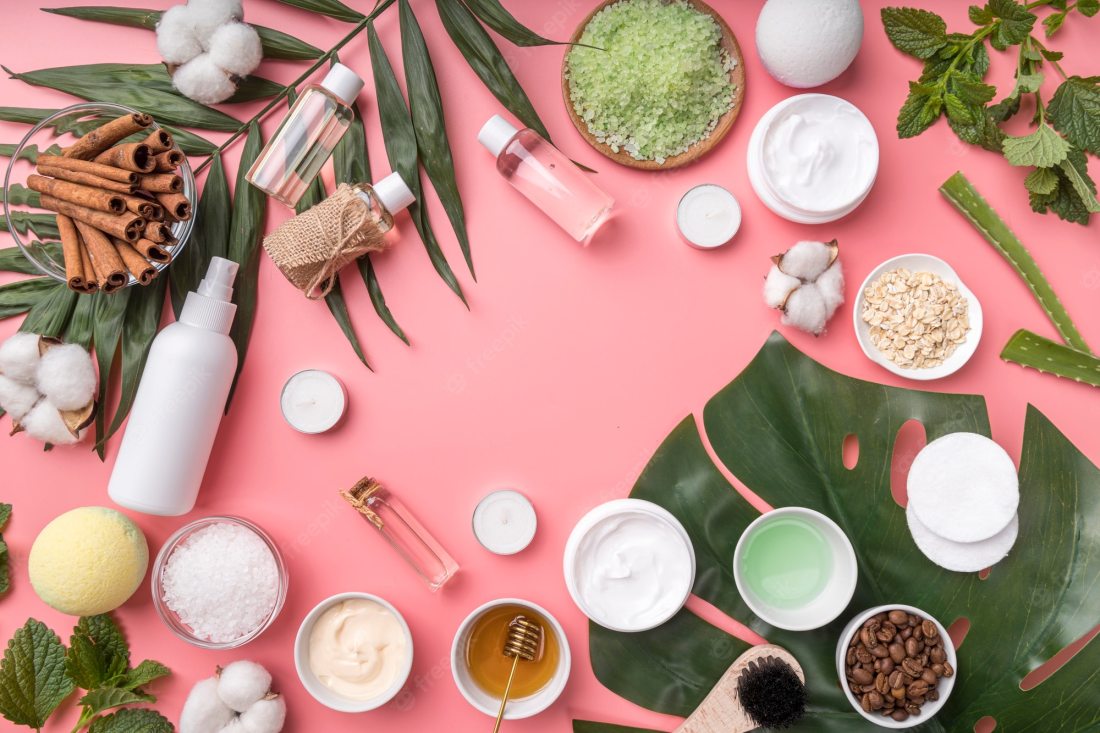
The new trend these days is everyone wants to have clear and glowing skin. We are all looking for ways to achieve that without the use of harsh ingredients in our cosmetics. What some of us don’t know is that there is a difference between natural and organic cosmetics. Do you know the difference?
Differences between Organic and Natural cosmetics.
A ‘natural’ product can be defined as something that is derived from plant, mineral or animal by-product. The term ‘organic’ refers to how an ingredient is farmed i.e., it must be prepared and grown without pesticides, chemical fertilizers, GMOs, sulphates/parabens or antibiotics. However, just because the product is labelled ‘organic’ doesn’t mean it is 100% organic.
There can be substantial differences between natural and organic cosmetic products. The first difference is in the definitions. While the word organic has a specific denotation, the word natural does not. The next differences to note are the ingredients and restrictions. Organic cosmetics need to follow strict guidelines, whereas natural products do not. Finally, the manufacturing processes may differ. Private label manufacturers for organic cosmetics generally provide more oversight and prioritize using healthy, organic ingredients during formulation. https://www.anthemusb.com/what-is-the-difference-between-natural-and-organic-cosmetics/
Facts about Natural and Organic cosmetics:
Natural skincare products have natural ingredients
Organic skincare products have stricter standards
‘Natural’ can be just a marketing trick
Natural skincare products don’t adhere to the same guidelines as organic products
Terms ‘vegan’ and ‘cruelty-free’ are not synonymous to ‘natural’ or ‘organic’
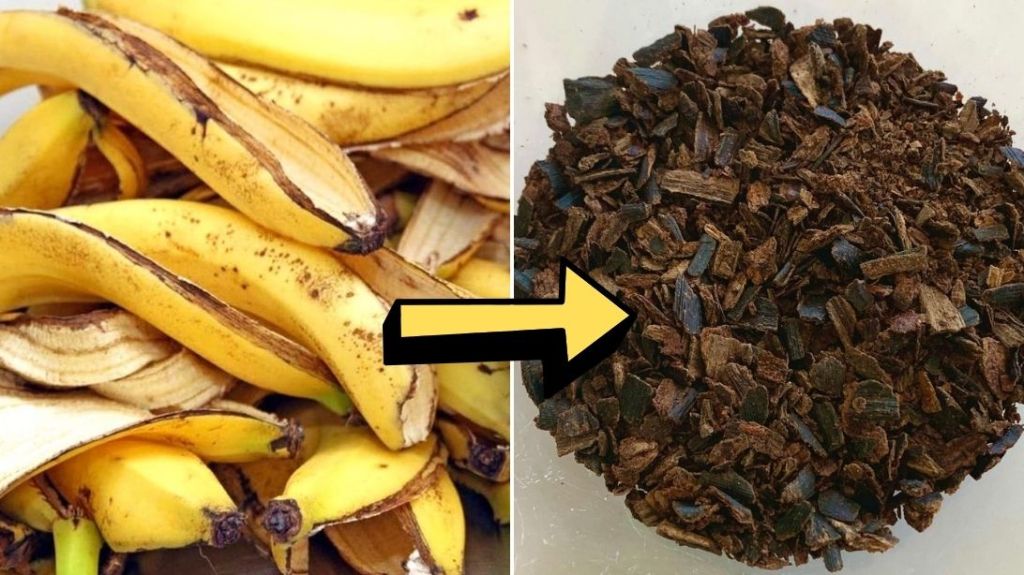
I’ve always been a curious person and an environmentalist. Today’s topic came from simply throwing away trash and I found my banana peels. I remembered my grandmother used them in her compost manure but I’m in town and I don’t have a garden so are there other ways of using this biodegradable material?
Banana peel is the outer shell of the banana fruit. It is used as animal food. The mineral composition of banana peel is phosphorus, iron, calcium, magnesium, and sodium. You would be surprised to know that banana peels are also replete with polyphenols, carotenoids, and other antioxidants that can help remove the toxic free radicals from your skin and body. https://www.stylecraze.com/articles/amazing-benefits-of-banana-peels/
Uses of banana peels:
Skin care
Hair health
First aid
Cleaning
Gardening
Skin care: Potential benefits include hydration, gentle exfoliation, antioxidant effects and wrinkle reduction. Rubbing a banana peel on your face can brighten skin and reduce wrinkles. On closed eyes it reduces puffiness and can be used as a moisturiser to hydrate skin. Rubbing the peel on acne scars helps them fade. It treats psoriasis and relieves itch. All these are suggested by advocates of banana peels for skin but there is no clinical research.
For Hair health: The antioxidant in banana peels neutralises free radical that keeps your hair strong and healthy. It also makes your hair soft and shinier. Proponents of natural products for health and cosmetics suggest using banana peel as an ingredient in a hair mask. I tried this at one time during lockdown in 2020 on my 4C hair. I might say there was a bit of change to my hair lustre.
Cleaning: Rub the inside of a banana peel on anything made of leather to spruce it up. The potassium in bananas will be absorbed into the leather and will help diminish any scuff marks. Then wipe away any remaining residue and buff with a microfiber cloth for a glossy, looking-like-new sheen. You can also blend a few banana peels to create a paste and use this to scrub your precious pieces using a soft cloth. Rinse your silverware by dipping it in a basin filled with water. Dry afterwards using a clean cloth.
In Gardening, we can add them to soil as worm food or mix them with water to make plant fertilizer. We can also compost them to manure.
There are other people who believe that banana peels can whiten teeth. Now the validity of this trend is purely based on anecdotal evidence. But when it comes to removing stains from teeth, there aren’t any scientific studies that are tagging or liking banana peels for the job.
Some people also eat banana peels. Recommendations include:
boiling banana peels in water to make a tea
using banana peels as an ingredient in chutney
blending banana peels into a fruit smoothie
Are there any other use of banana peels that you have heard of? If so, kindly share in the comments.
When we buy produce we don’t expect to use them all on that day or do we? Sometimes we store them to avoid going to the grocery stores everyday before cooking up a tasty meal.I have always asked myself how these produce are maintained yet remain fresh. The answer was one that I didn’t even know of and many of us haven’t heard of it.
My aha moment came one day in a supermarket as I was shopping with a friend. I had the same question once again but I was too lazy to google it so I asked him. Luckily enough that was the project he was working on for his Bachelor’s degree. I was mind blown despite the fact that I am the one who was studying analytical chemistry and he expected that I knew this. That day I learnt about this new chemical that was discovered in the late 90s and has been in use for more than a decade now. I had made some assumptions about these produce without knowing the facts.
Awareness of ignorance is the beginning of wisdom
Socrates
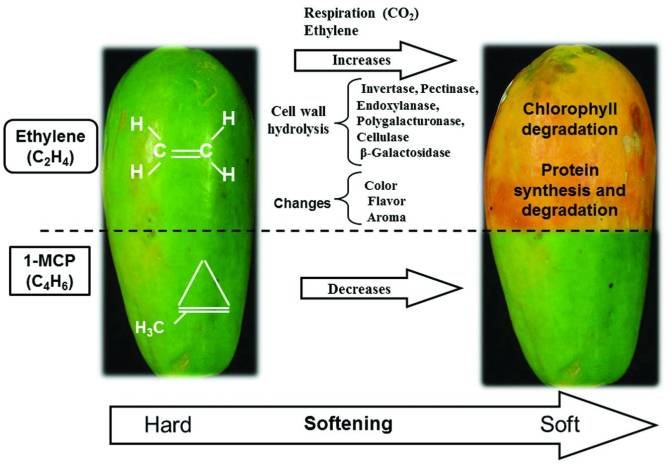
Have you heard of 1-MCP? 1-Methylcyclopropene (1-MCP) is used as a synthetic plant growth regulator. It is structurally related to the natural plant hormone ethylene and it slows down the ripening of fruit and helps maintain the freshness of cut flowers.
How it works: Ethylene is a gas acting at trace levels throughout the life of a plant by stimulating various processes such as the ripening of climeteric fruit, the opening of flowers (dehiscence process), and the shedding of leaves (abscission process).1-MCP tightly bings to the ethylene receptor in plants thus blocking the effects of ethylene. http://”Ethylene – Wikipedia”
1-MCP significantly reduces the respiration of fruits, vegetables, and flowers, delays aging and discoloration, and maintains hardness, crispness, color, odor, and nutritional content.
Effectively enhances disease resistance, reduces decay, and alleviates physiological disease.
No toxicity, no residues, environmentally friendly.
1-Mcp in powder form, it is easy to transport, store, and use.
Top Suppliers of 1-methylcyclopropene (1-MCP) include: AgroFresh(SmartFresh™), Pace International LLC(Fysium), Fine Americas, Inc.(EasyFresh), Hazel Technologies(Hazel),MirTech, Inc. (FirmConfirm) and Dora Agri.
To begin, we have to know the avian egg from inside out. It consists of:
The egg yolk made up of a number of spherical compartments. Unlike the egg white, which contains very little fat, the yolk contains a significant amount of fatty acids such as oleic acid, palmitic acid, and linoleic acid, as well as high level of cholesterol. It also contains fat soluble vitamins (A, D, E, and K).
The egg white/albumen that is 90% water. One of the most important proteins in the albumen in terms of the egg white’s consistency is ovomucin which helps to thicken the egg white and give it its gloopy consistency.
The egg’s shell is made primarily from calcium carbonate, the chemical compound which also makes up the majority of sea shells, as well as chalk and limestone.
Broken avian egg
Egg shell waste was estimated to be at 2.3 million tonnes worldwide in 2018. The food industry is the one that uses most eggs hence contributing to this pollution. When egg shells, egg shell membrane and egg white decompose it leads to production of ammonia(NH3) and Hydrogen sulfide (H2S) with an offensive odor that attracts insects and rodents. People have been finding ways to curb this pollution by finding solutions. Many patents have been submitted in recent years about how to recycle this waste and techniques used to make it into powder form.
Many applications have been discovered, they include in areas such as medicine, steel manufacturing, building and construction, water treatment, agriculture, paper and pulp, plastics, and paint.
The paper industry uses limestone-based raw material to produce fillers and coating pigments, such as Calcium carbonate(CaCO3 ) pigment for printing paper and board.
Egg shells showed potential as a replacement for limestone to prepare hydroxyapatite (HAP) utilized for the sustainable treatment of toxic metal-polluted water.
In medicine, the hydroxyapatite is also used in medicine for bone repair and tissue regeneration as it is a major component in teeth and bones. The bone is made up of (Ca10(PO4)6(OH)2HAp) and collagen fibers. Egg shell is also an acceptable source of calcium supplement for animal feed and human health since use of shrimp and oysters will not be ecologically possible in the near future.
They can also be used as fertilizers by being converted to liquid calcium acetate fertilizer via the reaction of pulverized ES with acetic acid. Calcium carbonate fertilizers have low solubility hence unsatisfactory intake but calcium acetate is relatively neutral (0.2 M solution is pH 7.6), it does not acidify soil when used as an amendment.
They can also be used as a biodiesel catalyst since it is renewable, biodegradable, non-toxic and has low emissions.
More information on how to reduce egg shell pollution:












 InLoveWithChemistry
